
Not every CS2 skin tells its full story at first glance. Many listings reflect past decisions, overlooked details, or pricing habits that no longer match today’s market. “Used” skins, especially those altered years ago, often hide value where few buyers think to look. Understanding how stickers, wear, and history interact turns ordinary browsing into informed selection.
The Sticker Economy Behind Older CS2 Skins
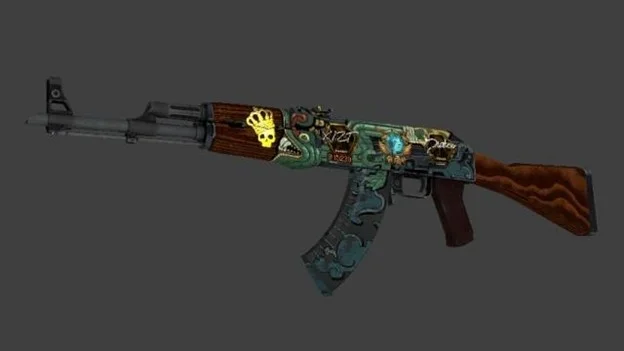
Older CS2 skins sit at the intersection of history, scarcity, and player behavior, which places them outside the standard pricing logic applied to most cs2 skins for sale, and gives them a distinct position in the secondary market. Stickers applied years ago permanently changed many items and created crafts that follow rules very different from clean, unmodified skins.
Stickers as an Independent Value Layer
Stickers hold a standalone market value separate from the base skin. Once applied, they exit circulation permanently, which reduces the overall supply over time. This permanence transforms a skin into a fixed object shaped by past decisions. Sticker placement adds another layer since centered or symmetrical layouts often attract more interest than random application.
Why Crafted Skins Outprice Clean Versions
Clean items rely on predictable factors such as exterior quality and base rarity. Crafted versions derive value from composition, context, and uniqueness. Two identical base skins can differ sharply in price once stickers enter the picture. Collectors often prefer a distinctive item with history over a flawless but interchangeable version, which shifts pricing away from condition alone.

Early-Era Stickers and Irreversible Scarcity
Stickers from early CS tournaments, especially 2014 events, represent a closed chapter of the game’s history. These items cannot reappear through drops or capsules. Scarcity here comes from time, not probability, which gives early crafts durability in value. New releases may attract attention, but early-era crafts retain weight through context alone.
Market Sniping and Overlooked Sticker Value
Hidden value often appears through mispricing rather than deliberate discounts. Sticker crafts surface when sellers overlook applied elements or prioritize speed over analysis.
Why Sellers Miss Sticker Pricing
Many sellers price items based on the base skin alone. Bulk listings, habit-driven valuation, and outdated references can cause sticker value to go unnoticed. This happens frequently with older skins that lack immediate visual appeal or sit outside current trends. Applied stickers fade into the background when speed dictates pricing.
Preparation Over Speed
Market sniping depends on readiness rather than reaction time. Preparation allows faster evaluation when listings appear. Useful preparation includes:
- Familiarity with high-tier sticker names and eras
- Awareness of common sticker placements
- Understanding of typical sticker-to-skin value relationships
- Knowledge of base skins frequently used for crafts.
Buyers who recognize value make decisions with confidence, while others hesitate or overlook key details.
Exterior Quality and Legacy Skins
Wear still influences perception, though its role changes once stickers enter the equation. Exterior quality affects how well a craft presents visually and how it ages in collector interest.
Why Older Skins Often Have High Float Value
Many legacy skins originate from periods when awareness of Float Value remained limited. Drops and trades during earlier years produced a large supply of items with higher Float Values. As a result, heavily worn versions dominate older inventories, while clean examples appear far less often.
The Skill of Finding Low-Float Crafts
Finding legacy skins with low Float Values requires patient and focused searching. When paired with valuable stickers, cleaner wear enhances contrast and visual balance. This combination remains rare due to historical supply patterns, which explains why collectors often assign premiums to crafts that maintain strong visual clarity.
Finding Sticker Crafts Efficiently
Discovery methods shape access to value. The way a marketplace presents data often determines whether a craft receives attention or stays hidden.
Limits of Default Market Filters
Default filters usually emphasize wear, price, or rarity while ignoring applied stickers. Sticker information often sits inside item descriptions, which forces manual inspection. This structure favors surface-level pricing, and leaves deeper value partially concealed.
Sticker-Focused Search on DMarket
DMarket improves discoverability by allowing users to search specifically for skins with applied stickers such as Katowice 2014 or Crown (Foil). This functionality prioritizes clarity and efficiency since buyers can focus directly on relevant crafts without opening countless listings. Targeted searches support comparison and evaluation based on known criteria rather than chance discovery.

Why Crafts Reward Market Knowledge
Crafted skins reward understanding over impulse. These items operate outside simple pricing formulas and resist quick judgment. Knowledge of sticker history, exterior quality, and search limitations reveals value that surface listings often miss. In a market shaped by past choices, awareness remains the strongest tool for finding opportunity.