Choosing a game development company is one of the most important decisions for publishers, startups, and businesses entering the gaming industry. A reliable development partner can help turn an early concept into a playable product, manage technical challenges, and support production across different platforms.
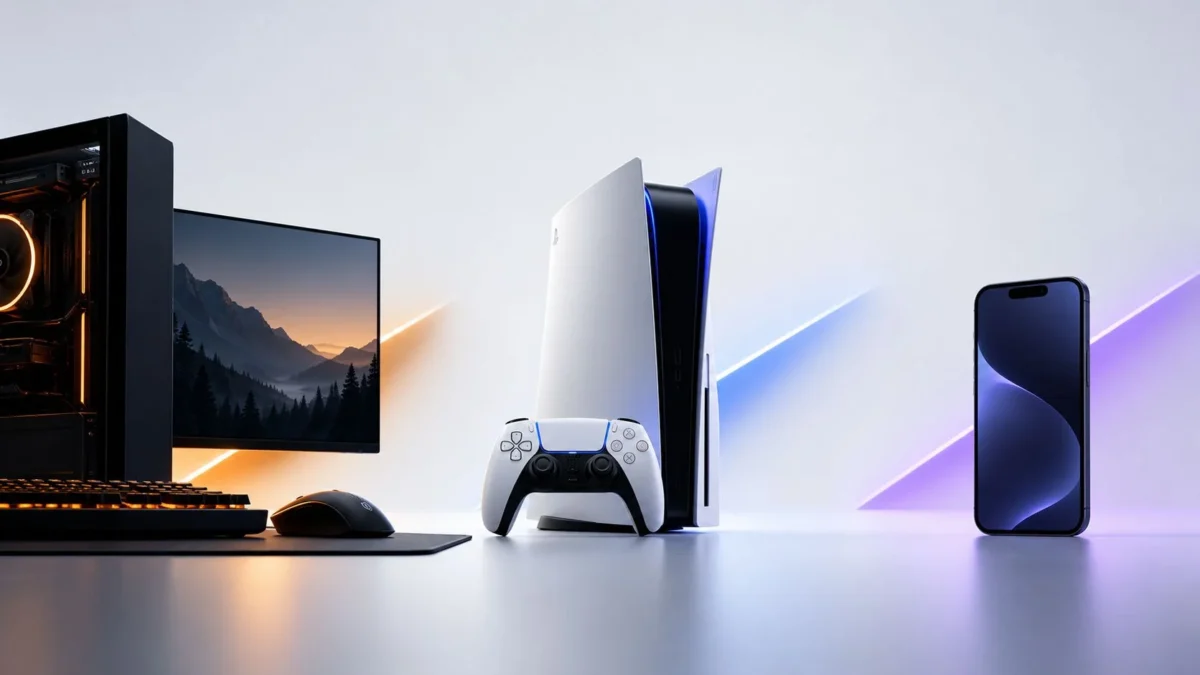
PC, console, and mobile games have different requirements. PC development involves a wide range of hardware configurations, console projects must meet platform-specific technical standards, and mobile games require careful optimization for battery life, performance, and touchscreen controls.
Below are several established game development and outsourcing companies worth considering. The selection includes studios with different specializations, from full-cycle production and co-development to art outsourcing and technical support. The order is an editorial shortlist rather than a ranking based on independently verified performance data.
1. Stepico — Game Development and Art Production
stepico games development offers game development and art production services for companies looking to create new gaming experiences or expand their existing production capabilities.
Stepico is a development studio with experience in game production, including mobile games, PC and console projects, and external art production. Its services make it a relevant option for publishers and businesses that need development support without building every production department internally.
The company works across different aspects of game creation, from technical development to visual content production. This can be useful when a project requires coordination between programmers, designers, and artists.
Key service areas include:
- PC and console game development.
- Mobile game development.
- Unity-based game development.
- 2D and 3D game art production.
- Game development outsourcing and co-development.
Best suited for: Publishers, startups, and gaming businesses looking for external development expertise, art production, or additional production capacity.
Before selecting a partner, prospective clients should review relevant portfolio projects, discuss technical requirements, and establish clear expectations for milestones and deliverables.
2. Virtuos — Large-Scale Game Development and Co-Development
Virtuos is an international game development company known for providing production services to game publishers and developers.
The company supports projects across PC, console, and other gaming platforms, with capabilities in game development, art production, engineering, and co-development.
Its distributed production model allows teams to contribute to different stages of game creation, including asset development, technical implementation, and adaptation of games for additional platforms.
Virtuos is particularly relevant to larger productions that require specialized resources and established workflows.
Best suited for: Established publishers and studios seeking large-scale co-development, content production, or porting support.
3. Keywords Studios — Game Development and Production Services
Keywords Studios provides a broad range of services to the video game industry through its international network of teams.
Its capabilities cover areas such as game development, art services, quality assurance, localization, and player support.
This combination can be valuable for companies managing complex projects that require several types of external production assistance.
For example, a publisher preparing a multiplatform release may need development support alongside testing and localization for different markets.
Keywords Studios operates across multiple service categories, although the availability and scope of individual services depend on the relevant team and project.
Best suited for: Publishers requiring a combination of development, testing, localization, and production services.
4. Room 8 Group — External Game Development and Art Services
Room 8 Group provides external development and art production services for the gaming industry.
Its teams support different aspects of game production, including art creation, development, and quality assurance.
External production partners such as Room 8 Group can help studios increase capacity during demanding stages of development without permanently expanding every internal department.
This approach is particularly relevant for projects with substantial asset requirements or fluctuating production schedules.
Best suited for: Game publishers and developers looking for co-development, external art production, and production support.
5. Pingle Studio — Game Porting and Co-Development
Pingle Studio specializes in game development services, including porting, co-development, and technical support for existing projects.
Porting a game from PC to consoles or between different hardware platforms involves more than adapting the controls.
Developers must address performance, memory limitations, platform requirements, and compatibility with different operating environments.
Companies focused on porting and technical development can help publishers bring existing games to additional audiences.
Best suited for: Developers planning multiplatform releases, console ports, or additional engineering support.
6. Winking Studios — Game Art and Development Services
Winking Studios provides game art and development-related services to companies working on interactive entertainment projects.
Art outsourcing is an important part of modern game production because detailed characters, environments, animations, and visual effects require specialized teams.
External art studios can support internal departments during production peaks or provide expertise in particular visual styles.
For publishers, this can create more flexibility when allocating resources across multiple projects.
Best suited for: Companies seeking game art production, visual content support, and external development resources.
7. Amber — Game Development and Co-Development
Amber is a game development company providing services for publishers and businesses across the gaming industry.
The company works in game development and co-development, supporting projects that require additional engineering, design, or production capabilities.
Co-development arrangements allow external specialists to work alongside an internal team while the publisher or original studio retains overall creative direction.
This model can be useful when companies need to accelerate production or introduce skills that are not available internally.
Best suited for: Publishers and studios seeking collaborative development partnerships and additional production capacity.
How to Choose the Right Game Development Company
Not every development studio is suitable for every project. A company experienced in mobile free-to-play games may not be the best partner for a technically demanding console title, while a specialist porting studio may be more appropriate than a full-cycle developer for an existing game.
Before contacting potential partners, businesses should define their platform requirements, project scope, budget expectations, and preferred collaboration model.
Review Relevant Experience
Look for completed projects that resemble the game you want to build. Consider genre, visual style, technical complexity, and target platforms.
A portfolio demonstrates the types of projects a studio has contributed to, but clients should also clarify the company’s exact responsibilities on each title.
Understand the Development Model
Some companies provide full-cycle development, while others specialize in co-development, staff augmentation, or specific production tasks.
Full-cycle development typically involves a broader range of responsibilities, potentially including design, programming, art production, testing, and release preparation.
Co-development usually means an external team works alongside the client’s existing developers.
Evaluate Technical Capabilities
Ask about game engines, supported platforms, performance optimization, and development workflows.
For multiplatform projects, experience with platform certification, controller integration, graphics settings, and hardware-specific optimization can be particularly important.
Discuss Communication and Project Management
Clear communication helps prevent production delays and misunderstandings.
Establish how often progress will be reviewed, which tools will be used, and who is responsible for approving milestones.
It is also important to clarify intellectual property ownership, source code access, confidentiality requirements, and post-release support before signing a contract.
PC vs Console vs Mobile Game Development
Although modern game engines support multiple platforms, each environment introduces different production challenges.
| Factor | PC Games | Console Games | Mobile Games |
|---|---|---|---|
| Hardware | Wide range of configurations | Defined hardware specifications | Highly varied mobile devices |
| Controls | Keyboard, mouse, controller | Primarily controller-based | Touchscreen and optional controller |
| Optimization | Graphics scalability and compatibility | Stable performance within hardware limits | Battery, heat, memory, and performance |
| Distribution | Digital storefronts and direct distribution | Platform-specific stores and certification | Mobile app stores and platform requirements |
| Common Challenges | Hardware fragmentation and driver compatibility | Certification and platform optimization | Device fragmentation and user retention |
Studios developing for multiple platforms need to account for these differences early in production. Decisions about interface design, graphics, input systems, and performance targets can affect the cost and complexity of future ports.
What Makes a Good Game Development Partner?
Technical expertise is important, but successful collaboration also depends on how a studio manages production risks.
A suitable development partner should be able to explain its approach to scheduling, testing, technical challenges, and communication.
When evaluating a company, consider:
- Relevant experience with the intended gaming platforms.
- Clear estimates and realistic production milestones.
- Established quality assurance procedures.
- Transparent communication and reporting.
- Appropriate intellectual property and confidentiality agreements.
- Capacity to support updates and maintenance after launch.
Price should not be the only deciding factor. An inexpensive proposal can become costly if requirements are unclear, production quality is inconsistent, or significant rework becomes necessary.
Final Thoughts
Finding the right game development company depends on the type of game being created, the platforms involved, and the resources already available within the client’s organization.
Stepico, Virtuos, Keywords Studios, Room 8 Group, Pingle Studio, Winking Studios, and Amber represent different approaches to external game production, from full-cycle development and co-development to specialized art and technical services.
Businesses should compare relevant project experience, production capabilities, communication processes, and contractual terms before selecting a partner.
A well-matched development team can help manage technical complexity, coordinate production, and bring a game from its initial concept toward a successful release.